Business CPA McKinney AlternativeState plus city, and the 20th
The combined sales and use tax is 8.25 percent. That is 6.25 percent state and 2 percent city. Collin County adds nothing, and no transit authority adds a penny on top of that city rate.
See the rate.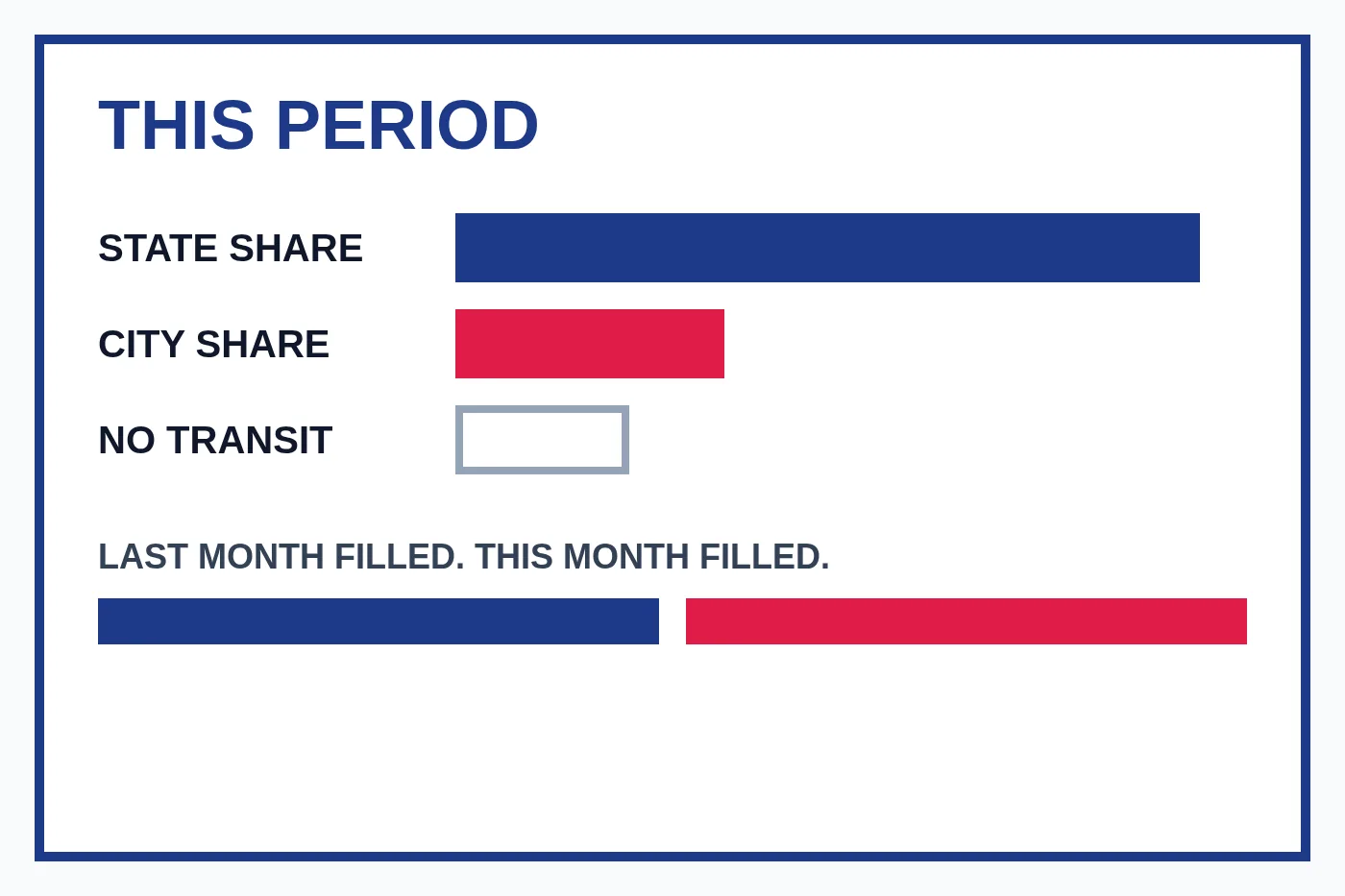
What the rate is made of.
The Comptroller's city table is the source for the split. State tax is 6.25 percent. The city rate is 2 percent. Collin County does not add a county sales tax, and the city is not in a transit authority that would add another slice. If a register charges a different rate, either the register is wrong or the sale belongs in a different bucket.
A rate is a fraction of a taxable sale, nothing more romantic than that. Knowing the fraction keeps a deposit from being a mystery. The deposit is the sale plus the tax, or the deposit is something else, and those are different names in the books.
The 20th is the due date, not a mood.
File the period's sales and use return by the 20th of the following month, which is the Comptroller's ordinary due date. How often you file depends on how much tax you collect, so some businesses file monthly and others file less often. The due date of a period is still the 20th. A thin month does not move the calendar.
Very large payments have to move through TEXNET on the prior business day. Most owners will never see that rule. If you might, we will say so from your own numbers, not from a guess on a web page. We do not print a threshold here as if it were advice for your file.
US 380, and a sale that does not care which way the customer drove.
US 380 runs east toward Princeton and west toward Prosper. We know that drive. A taxable sale does not care which direction the customer came from. It still belongs on the return for the period, matched to the deposit the bank shows.
A weekend festival can make a month look like two months. The tax is still the tax on the taxable sales, not on the feeling of the weekend. We match batches to days so a busy Saturday does not get lost into Monday's payout.
What is taxable is a certificate question, not a vibe.
Some sales are exempt when the buyer has a resale or exemption certificate that actually covers the sale. A certificate in a drawer that nobody can find is not a certificate on the return. We would rather see the certificate than hear that a customer is always exempt.
Use tax is the cousin of sales tax, for things you bought without tax and used here. It is easy to forget and easy to find at the worst time. The monthly close is when it should surface, not during a reconstruction.
A room night is a different report.
A hotel stay in the city carries a local occupancy tax of 7 percent on top of the state's 6 percent, and a report can be owed even in a month with nothing collected. That report is its own page of work. This page stays with sales and use tax so the two do not get blended into one confused filing.
If a platform is already remitting one of those taxes, the books still need to show the sale and the tax in the right month. A payout that arrives net is not the same as a sale that never happened. We separate them.
How a sales tax month actually closes.
We start from the batches and the invoices, not from the return. Taxable sales, exempt sales, tax collected. Then the deposit. If the deposit is short, something was refunded, fee-netted, or misnamed. If the deposit is long, something that is not a sale got included. The return is the last step, when those names are stable.
You see the period before it is filed. A return we cannot explain is a return we do not file. The 20th is a date we plan for, not a date we discover.
Penalties are a calendar problem.
Late sales tax has its own penalties and interest, and they compound the feeling of being behind. The useful fact is boring. File on the 20th, from a period that already ties. If you are already late, the first job is a true return, not a story about why the month was hard. A hard month can still be true.
We will not promise penalty relief on a public page. Relief is a specific request with specific facts, and it is not a line we print as a hope. If a letter is already in your hand, bring the letter. We will say what it is asking.
Where the figure came from.
The 8.25 percent split is from the Comptroller's city sales tax table, checked 27 September 2026. The 20th due date is from the Comptroller's sales tax pages, same check. The occupancy rates are from the city's own hotel tax page, same check. If a table changes, the sentence changes. We do not keep a rate because it was convenient.
Your register, your certificate, and your filing frequency are file facts. They are not on this page. Bring them and the rate becomes a return instead of a paragraph.
Ask about the rate.
Tell us whether you collect sales tax and when you last filed. A sentence is enough.

You will be talking to the Steven Palmieri practice.