
Business CPA McKinney AlternativeBooks closed, payday ready, return next
You get the books closed against the bank, payday set up, and a return from those months. Steven Palmieri, a Tax CFO and the Entrepreneur's CFO, does this with owners in McKinney.
A CPA closes the year. A Tax CFO reads the town changing.
When the square slows, the Tax CFO reads that month while it is still open.
The books come first here.

You will be talking to the Steven Palmieri practice.

When the square goes quiet.
When a shop on the square goes dark, fewer people walk past. The deposit from that month still belongs to that month.
Click to see the square ›Tap to see the square ›
The boardwalk, then the month.
After a loud week on the square we take the Heard boardwalk to hear the marsh instead of the street. A gift-shop sale from that walk still belongs in the month the bank shows.
Click to see the close ›Tap to see the close ›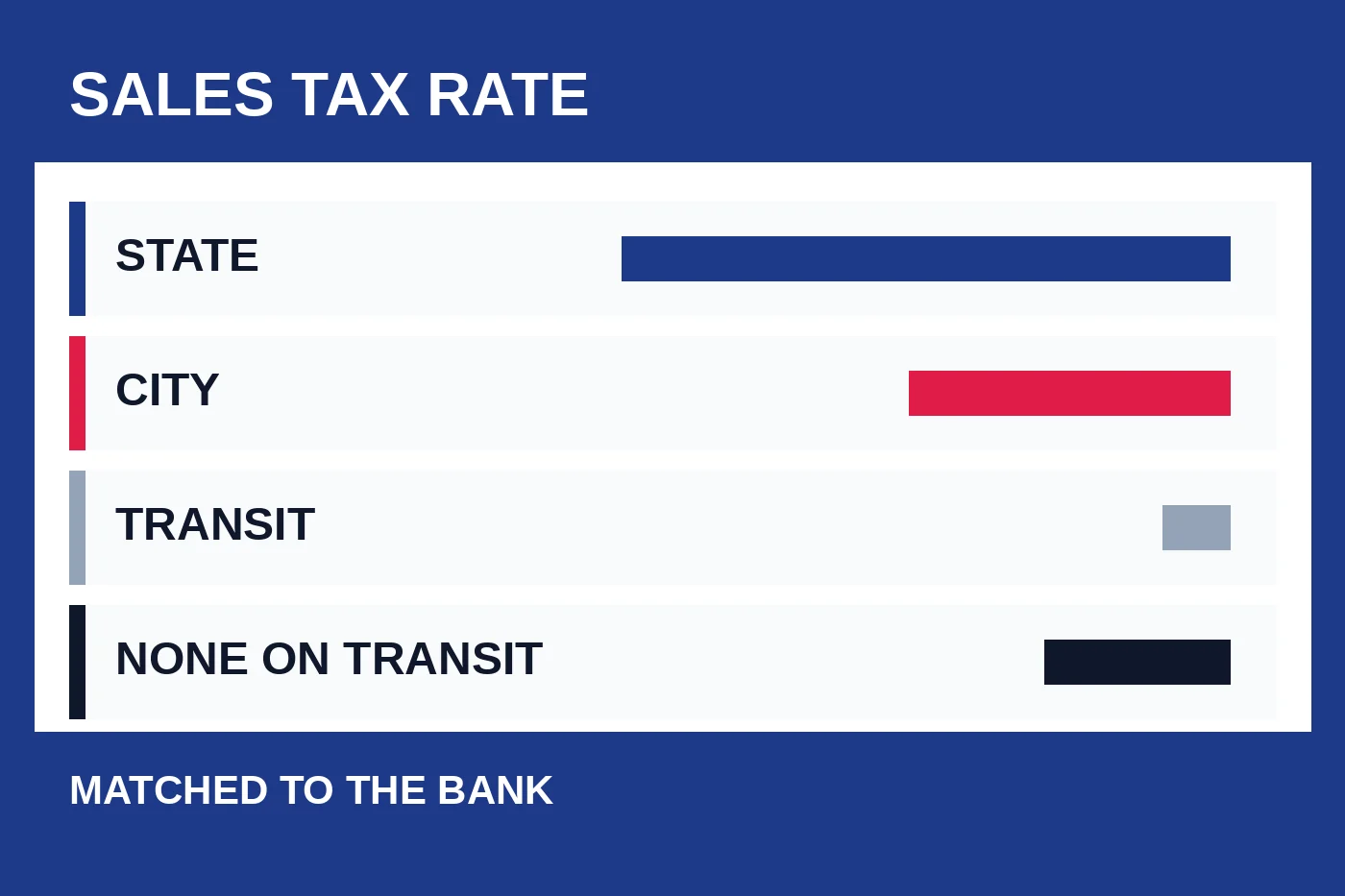
What is inside the rate.
Sales tax here is state plus city, with no transit line, and it is still due on the twentieth.
Click to see the rate ›Tap to see the rate ›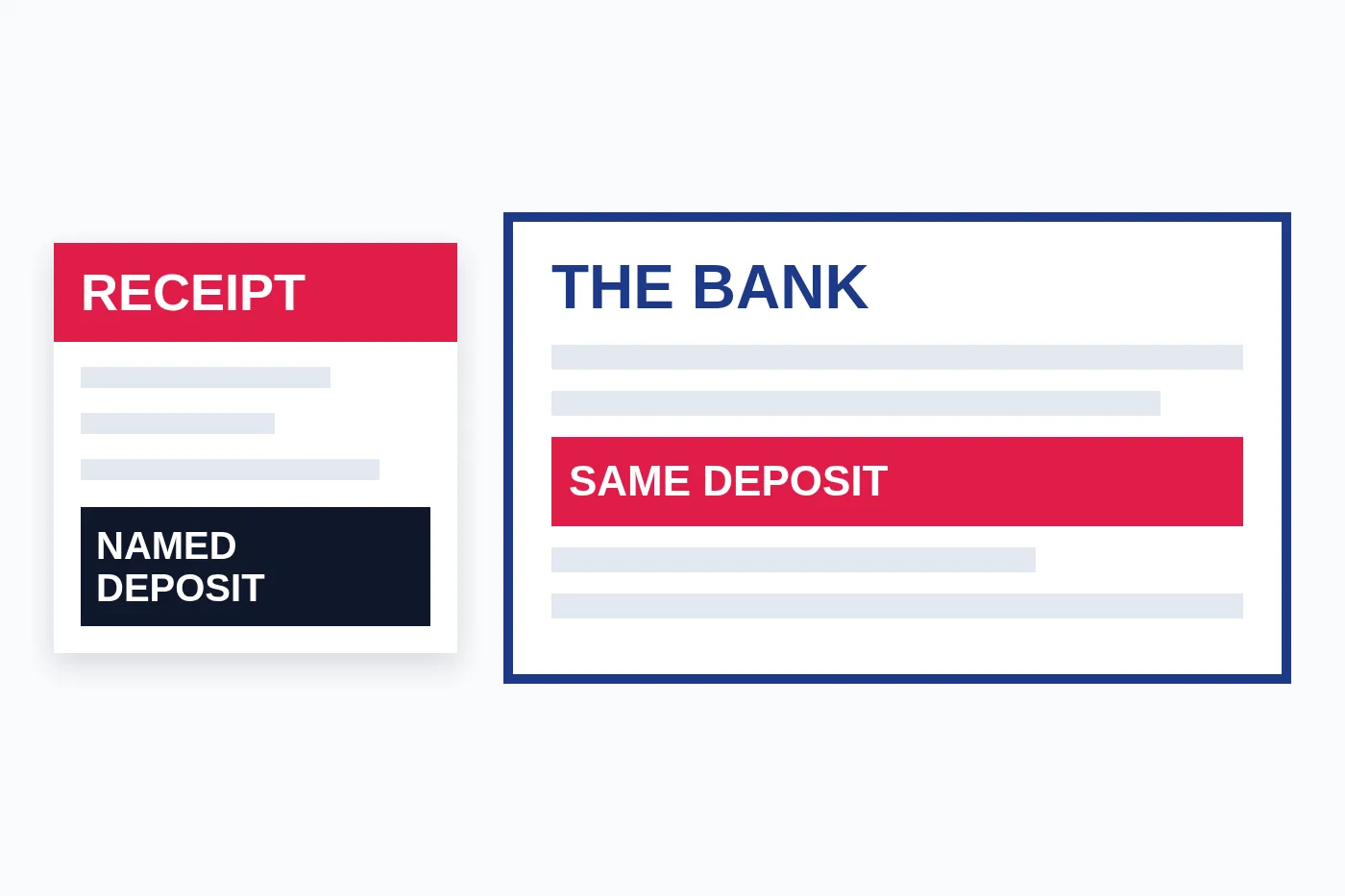
The return waits.
A busy build month keeps its full size when the return is written. We do not shrink it to match a quieter one.
Click to see the return ›Tap to see the return ›
The April letter beside the books.
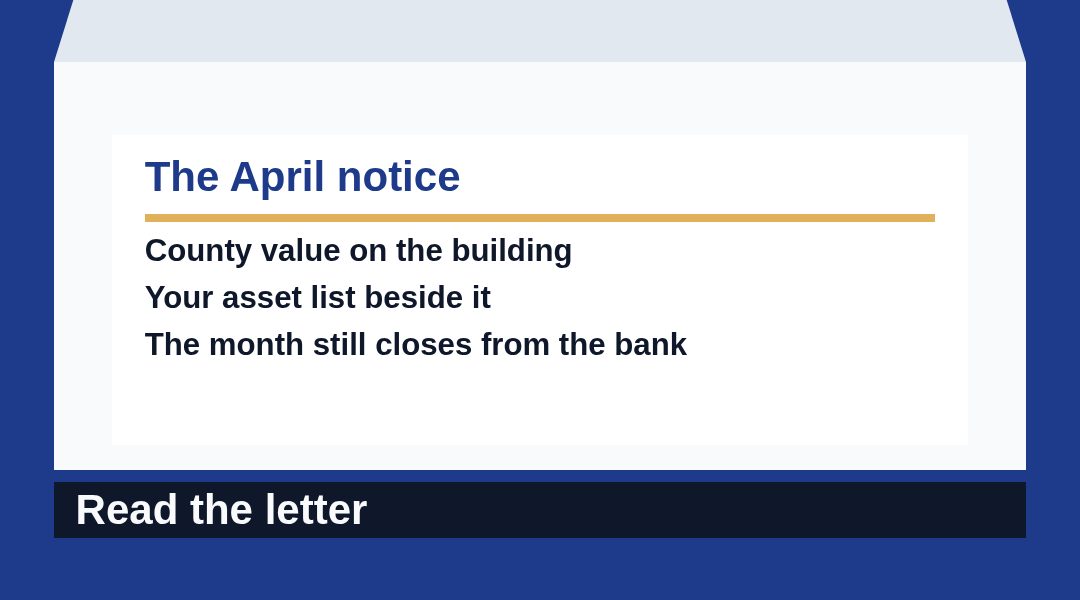
An April appraisal letter is a county notice. The month still closes from the bank and the cards.
Click to see the notice ›Tap to see the notice ›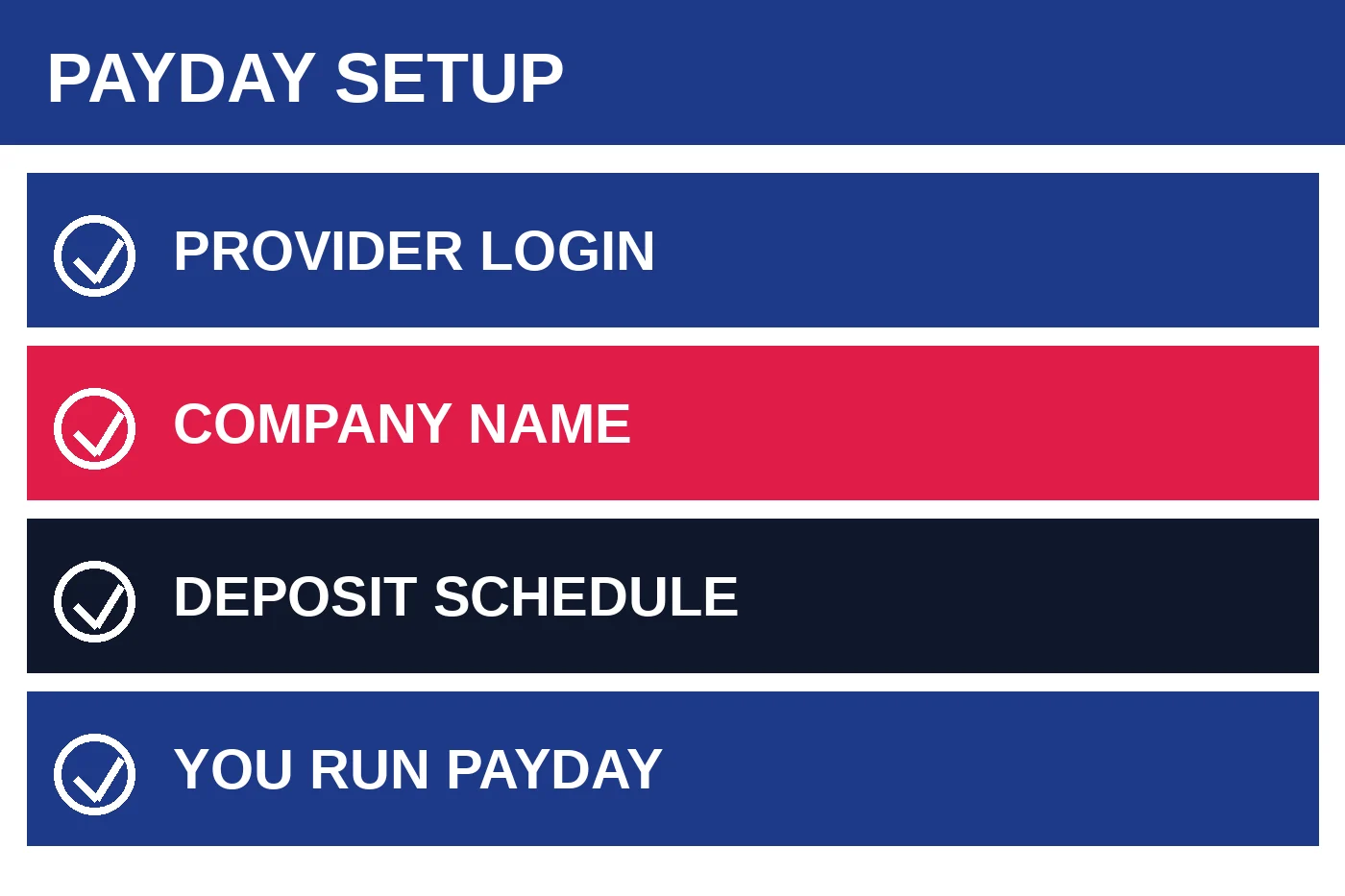
Payday set up, then you run it.
The small planes at Aero Country give the west side a hum we notice when the wind is right. Payday has that same steady beat. It lands once the provider login is in your name.
Click to set up payday ›Tap to set up payday ›Letters a year can bring
Byron Nelson week at TPC Craig Ranch takes a Sunday we have circled since spring. We open the notice on the table before that round ends, because a letter does not wait on the traffic.
1Sales tax due on the 20th
Sales tax due on the 20th
The combined rate in town is 8.25 percent, state tax plus the city rate, with no transit line and no county tax. The return still comes due on the 20th after the period, including when the month was thin.
We tie the taxable sales to the deposits before the return is prepared. You see that period in front of you before anyone sends it.
2The franchise report in May
The franchise report in May
A taxable entity files in May even when little is owed. Across the 2026 franchise report and the 2027 report, the Comptroller's no-tax-due line is 2.65 million dollars, and a company under that line still files. Retail and wholesale use one rate and other entities use another, and both rates are published by the Comptroller.
May's report is copied from months that already closed. You read the draft before anything leaves the file.
3The April notice of appraised value
The April notice of appraised value
Collin Central Appraisal District sends real property notices in April. The notice is a county letter. It does not close the month, and it does not replace the asset list in the books.
A rendition, when one is owed, is copied from that asset list. The district's form is yours to sign. We do not sign it for you.
4An estimate that is only a guess
An estimate that is only a guess
A quarterly estimate should come from months that already match the bank. A number passed around in a text thread is not a figure we will send.
The estimate stays in your hands until you say it can go.
5Payday with no provider set up
Payday with no provider set up
If people are paid, payroll has to be set up in your name before the first period. The accounts, the deposit schedule, and the provider login are the setup. Payday itself stays with you.
We set that up. You run payday on the provider. We do not run it.
6Savings or a loan in the operating account
Savings or a loan in the operating account
A transfer from savings, a loan draw, or money you put in yourself can land in the operating account and look like a sale. That money stays out of sales. We leave that month unfinished until the deposit is labeled savings, a loan, or a sale.
We give it a name with you, and then the month can close.
These returns name Steven Palmieri as the Tax CFO. A month stands closed alone before anyone reads it for the return.
Ready when the books are.
Saturday under the treehouse at Stix, with a Frito pie, is the hour we would rather keep. The pie can wait until evening. The week's deposits still have to match the bank before that hour starts.
You will be talking to the Steven Palmieri practice.
How a Tax CFO reads the month.
When foot traffic on the square drops or a build month runs long, a CPA sees it in the year total next spring. The Tax CFO sees it in the month it happened, because the month is closed on a day, and decides what changes now: owner pay, the next hire, the estimate. Those same closed months, already matched to the bank, are what the return is written from.
A build month and a quiet one.
Some years here have two shapes at once. A crew is busy because a building is going up, and the square is quieter because a shop went dark. Fewer people walk past the doors that stay lit. Your own register still belongs to the month the bank shows. An appraisal letter can arrive in the same week, and the asset list still has to be named before that month closes. Averaging those two months into one gentle story hides both of them. The busy month should show its height. The quiet month should show its quiet. The bank already knows the difference, and the books should too.
We close them separately, on a day we name with you. A build week does not get to borrow calm from a slow week, and a slow week does not get dressed up with deposits that belong to the week before. When the two months stay themselves, the return has something true to stand on.
What the first month feels like.
Usually the month we open first is the one that has been sitting the longest. We connect the bank activity, look at what has no name, and ask you the questions only you can answer. A transfer that looked like a sale gets a name. A bill that was paid and never entered gets entered. Nothing dramatic. The relief is a month that matches.
When the books are a year behind, the first call says that plainly. Cleanup comes before a monthly rhythm, and if you do not want the cleanup we decline the work. You hear that while you can still walk away. We would rather open the first month late and have it match the bank than open it fast and leave it wrong.
What the price follows.
Account count, open months, whether anyone is paid, whether sales tax is collected, and whether May brings an entity report are what set the fee. Someone else's average does not belong on this page.
A first conversation names the shape. A scope, when you want one, is a separate writing that says what the work is and what it costs. The pages you are reading are not that writing. They are how you decide whether the conversation is worth having.
October can still steer the year.
October is early enough that a staffing plan, a compensation choice, and an estimate can still change the year. November is tighter. December is mostly reporting what already happened. Talk to us while the shop door is still open. A closed month is easier to steer than a closed shop.
People here still talk about commercial flights. In May 2023 voters turned down a large bond for a new terminal. We remember that vote the way neighbors do. A date on someone else's calendar is not a forecast of your sales. Your October is about your own year, not about passenger counts we will not invent.
Statements you can read.
Each month you can read where cash is, what is owed, and what is owed to you. Those pages carry no signature. A lender who later wants a formal opinion has to take that opinion from a firm allowed to sign one. The months underneath, already matched to the bank, can still be built in this file.
After setup, payday lives on the provider under your login. We do not keep that login, and the company does not change hands. Seeing the month does not mean handing the company to anyone.
The square we share.
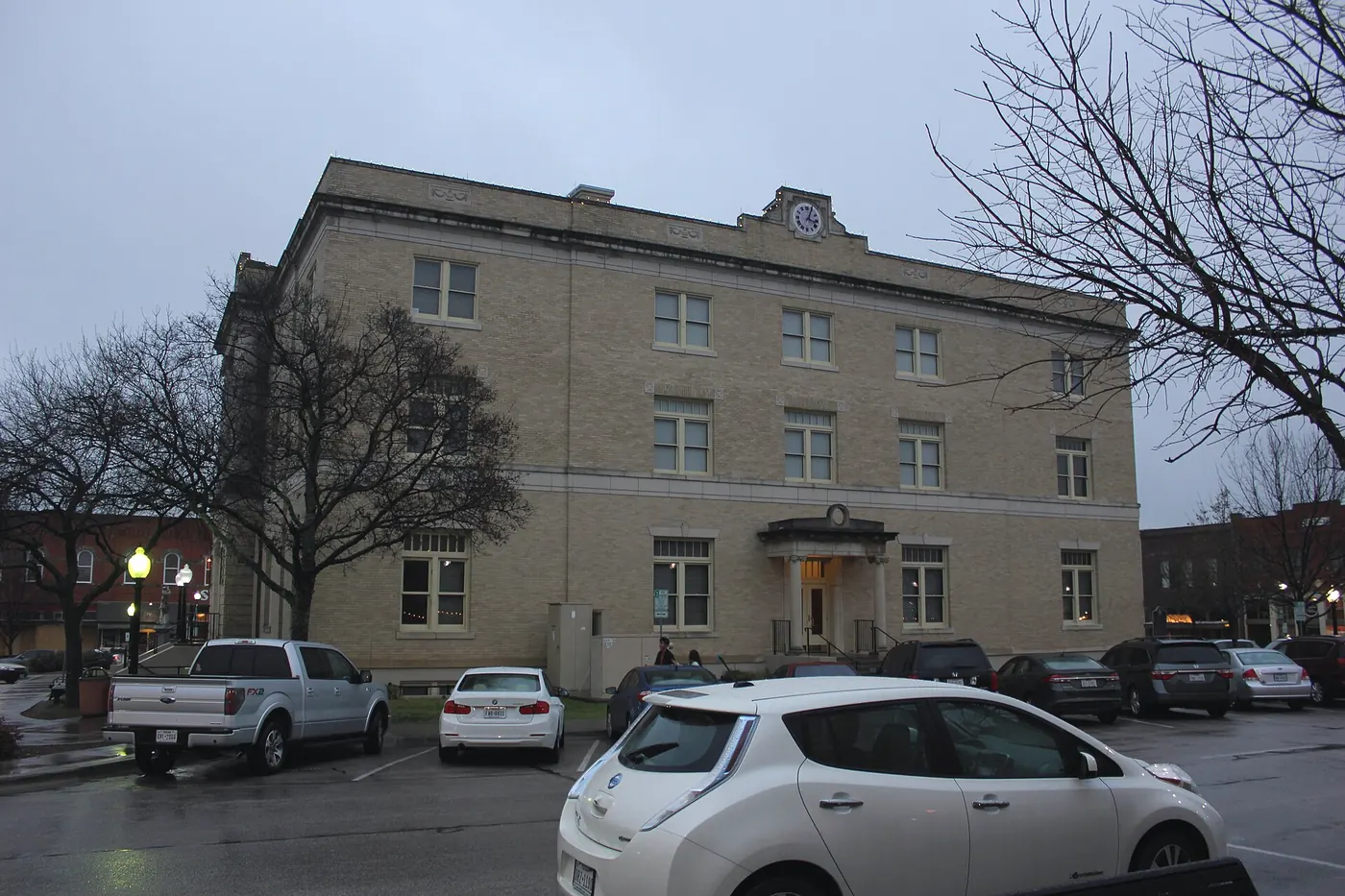
The old courthouse on the square is a performing arts room now, and the stone still reads as the town's center when the lights come on. Evening lights on that stone are the part of downtown we like best after the same walk you take. A quiet month on the square still changes the deposits of the shops around it, and we close that month before the guessing starts.
Pride in the place and worry about a letter can sit in the same week. Both are ordinary. The work is to make the letter answerable, because the month underneath it is already true.